Fraud detection software: staying ahead of the threat
What is fraud detection software?
Core types of insurance fraud detection
- Auto claims fraud detection — Identifies staged accidents, phantom passengers, and inflated repair costs using telematics, crash analytics, and photo verification.
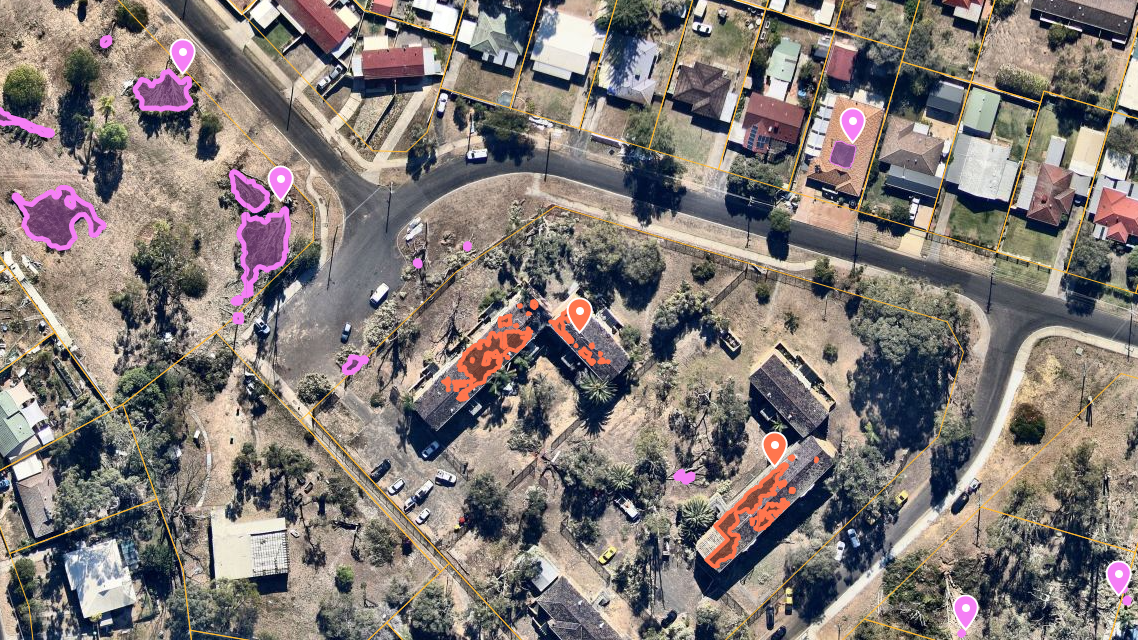
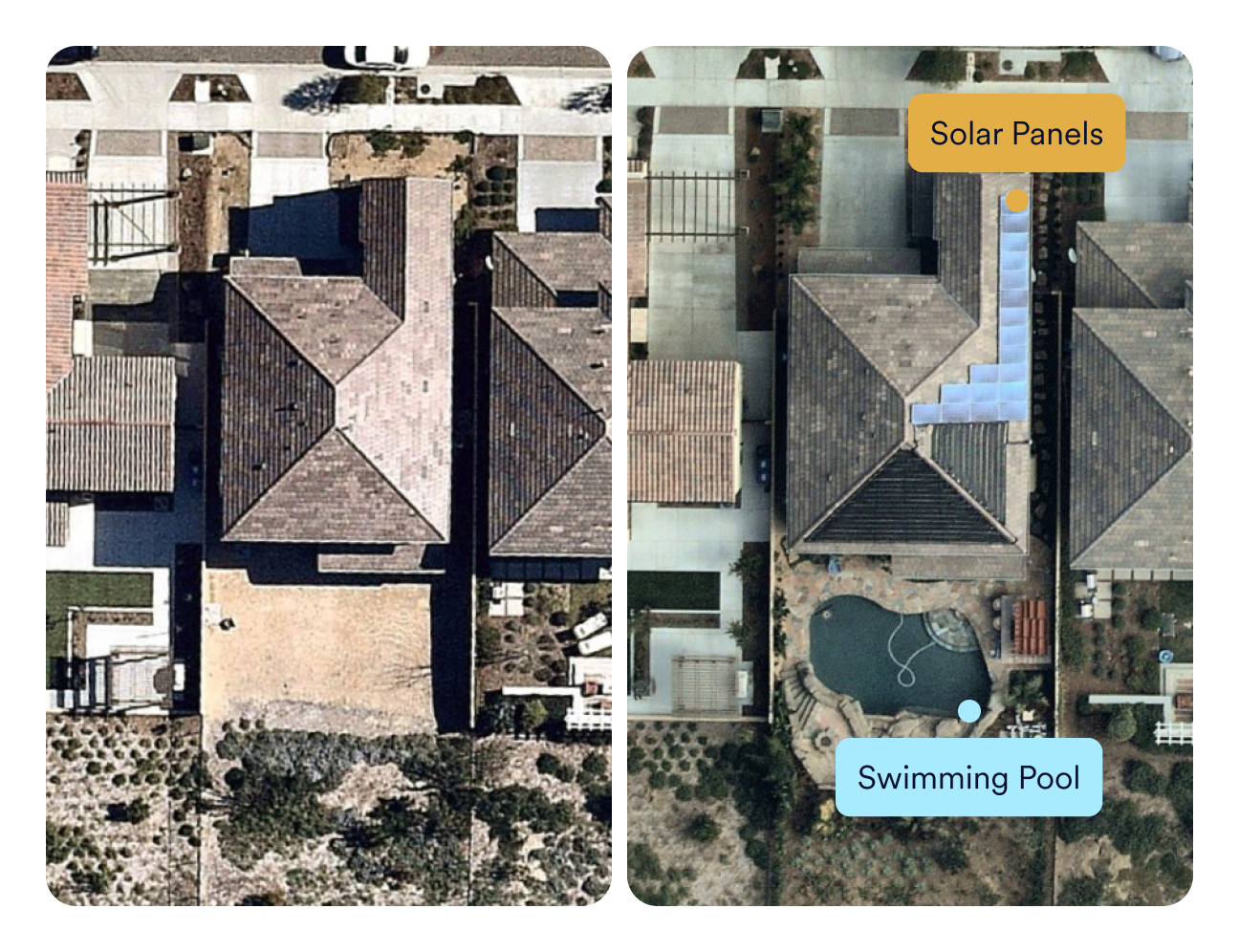
- Property claims fraud detection — Uses pre- and post-event aerial imagery, damage pattern recognition, and weather event correlation to flag suspicious roof, flood, or fire claims.
- Injury and bodily harm fraud detection — Mines medical billing data, provider histories, and claimant behavior to spot exaggeration or collusion.
- Premium and underwriting fraud — Detects misrepresented risk factors (e.g., undisclosed drivers, false occupancy data) by cross-referencing external datasets.
Features that make a difference
- Real-time claim monitoring — Flags suspicious activity the moment FNOL arrives or estimates are submitted.
- Pattern & network analysis — Links claimants, providers, and repair shops to reveal organised fraud rings.
- Machine learning & adaptive scoring — Continuously improves detection models as new fraud tactics appear.
- Geospatial and aerial imagery integration — Validates property condition before and after loss events.
- Automated alerts & risk scoring — Prioritises high-risk claims for SIU (special investigations unit) review.
- Case management — Centralises evidence gathering, notes, and collaboration.
- System integration — Connects with claims platforms, underwriting systems, and external data providers.
Why fraud detection matters to P&C insurers
- Lower loss ratios — Preventing improper payouts directly protects reserves and combined ratios.
- Faster, fairer claims handling — Honest policyholders benefit when suspicious cases are routed out early.
- Regulatory compliance — Insurers demonstrate proactive antifraud efforts, reducing audit and legal exposure.
- Reputation strength — A carrier known for protecting its book without slowing legitimate customers earns loyalty and competitive differentiation.
Who uses fraud detection software?
Benefits of fraud detection software
Advantages of fraud detection software
Limitations of fraud detection software
Use cases of fraud detection software
- An insurer integrates insurance fraud detection software with aerial imagery. After a storm, the system compares pre- and post-event imagery to flag suspicious roof damage claims, saving millions in false payouts.
- A government agency deploys fraud management systems to monitor housing assistance. The software identifies duplicate applications across counties, reducing exposure to fraud.
Scope of fraud detection software
Frequently asked questions
You have questions, we have answers.Its purpose is to prevent losses by identifying fraudulent activity before it causes damage.
Insurance companies, construction firms, financial institutions, government agencies, and any organisation at risk of fraud benefit from structured fraud management systems.
Algorithms that weigh transaction history, behavioral data, and anomalies against benchmarks calculate risk scores to predict the likelihood of fraud.
There isn’t a universal answer — industries set thresholds based on tolerance for loss versus customer disruption. Insurance may set stricter scores, while construction may allow more flexibility.
By utilising machine learning and adaptive algorithms, it differentiates between unusual but legitimate activity and actual fraud, thereby improving accuracy over time.
Yes. Modern anti-fraud software solutions are built to integrate with claims platforms, ERP systems, and procurement databases.
A crucial one. Fraud detection software provides intelligence, but investigators and managers provide context, judgment, and empathy.