)
The foundation of modern insurance has always rested on a clear principle: match price to risk. But in a world where catastrophic weather events grow more frequent, regulatory expectations are rising, and customer trust hinges on transparency, that principle is harder to deliver than ever before.
For large carriers managing millions of policies, underwriting precision at scale is no longer a theoretical goal—it’s a strategic imperative. To achieve profitable growth and sustain competitiveness, many are now rethinking their approach to property data— embracing up-to-date, high-resolution aerial imagery and AI-driven insights to enhance pricing accuracy, reduce expense and loss ratios , and streamline efficiencies to align operations with a future that demands both agility and defensibility.
The growing complexity of property risk


Nearmap aerial imagery shows Malibu before and after the Pacific Palisades fire.
Climate volatility is reshaping the risk landscape across the United States. In the last year alone, on major U.S. carrier processed nearly one million catastrophe-related claims. These weren’t isolated to coastal regions or fire-prone zones—inland flooding, severe hail, and fast-moving wildfires are increasingly impacting suburban and rural portfolios.
At the same time, regulators are pressing insurers for more data-driven justification behind rate changes, particularly in high-risk states. Several top carriers have sought double-digit rate increases to better align premium with exposure, citing years of imbalance between pricing and actual loss experience.
The industry is confronting a reality that traditional underwriting tools—manual inspections, self-reported data, static scoring models—are no longer sufficient to maintain pricing adequacy or competitive positioning.
A smarter, scalable alternative: AI-driven risk scores
To meet these challenges, carriers are turning to customizable, pre-built, property-specific risk scores powered by aerial imagery and machine learning. These risk scores offer a consistent, repeatable way to evaluate hazard exposure and property condition across millions of homes—without the delay or expense of manual inspections.
Unlike black-box scoring systems, next-generation platforms use explainable AI models trained on high-resolution imagery and historical loss data. The result is a transparent score that can reflect key risk attributes, such as:
- Roof condition and material (including stains, discoloration, ponding)
- Defensible space and vegetation encroachment in wildfire zones
- Indicators of hail-prone roofs, debris, tarp coverage, or post-storm damage
- Presence of risk-relevant features like pools, solar panels, or trampolines
These insights can be integrated into existing underwriting and pricing systems—enabling straight-through processing and pricing consistency across regions and book segments.
Bridging the gap between risk and rate
For carriers under pressure to improve profitability in homeowners or commercial property lines, the impact of these tools is significant. Rather than relying on averages or ZIP-code-based assumptions, underwriters can assess each property on its own merit, improving segmentation and reducing the risk of mispriced policies slipping through.
At renewal, real-time change detection can highlight properties where condition has deteriorated—or where mitigation efforts warrant reevaluation. For instance, policyholders who invest in impact-resistant roofing or create defensible space around their homes may qualify for discounts. Validating those features through imagery and AI, rather than costly in-person inspections, enables carriers to scale these programs without compromising accuracy.
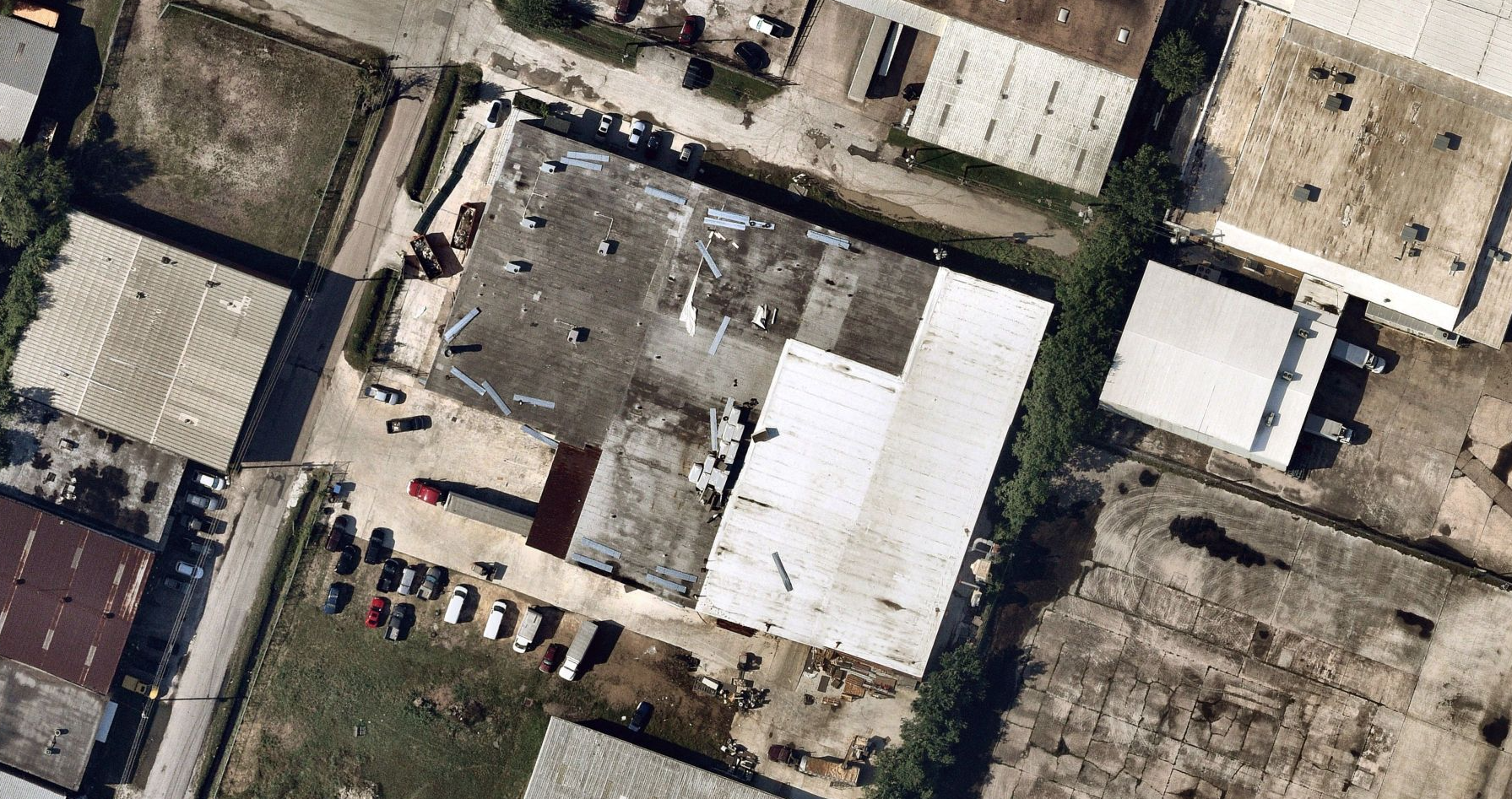
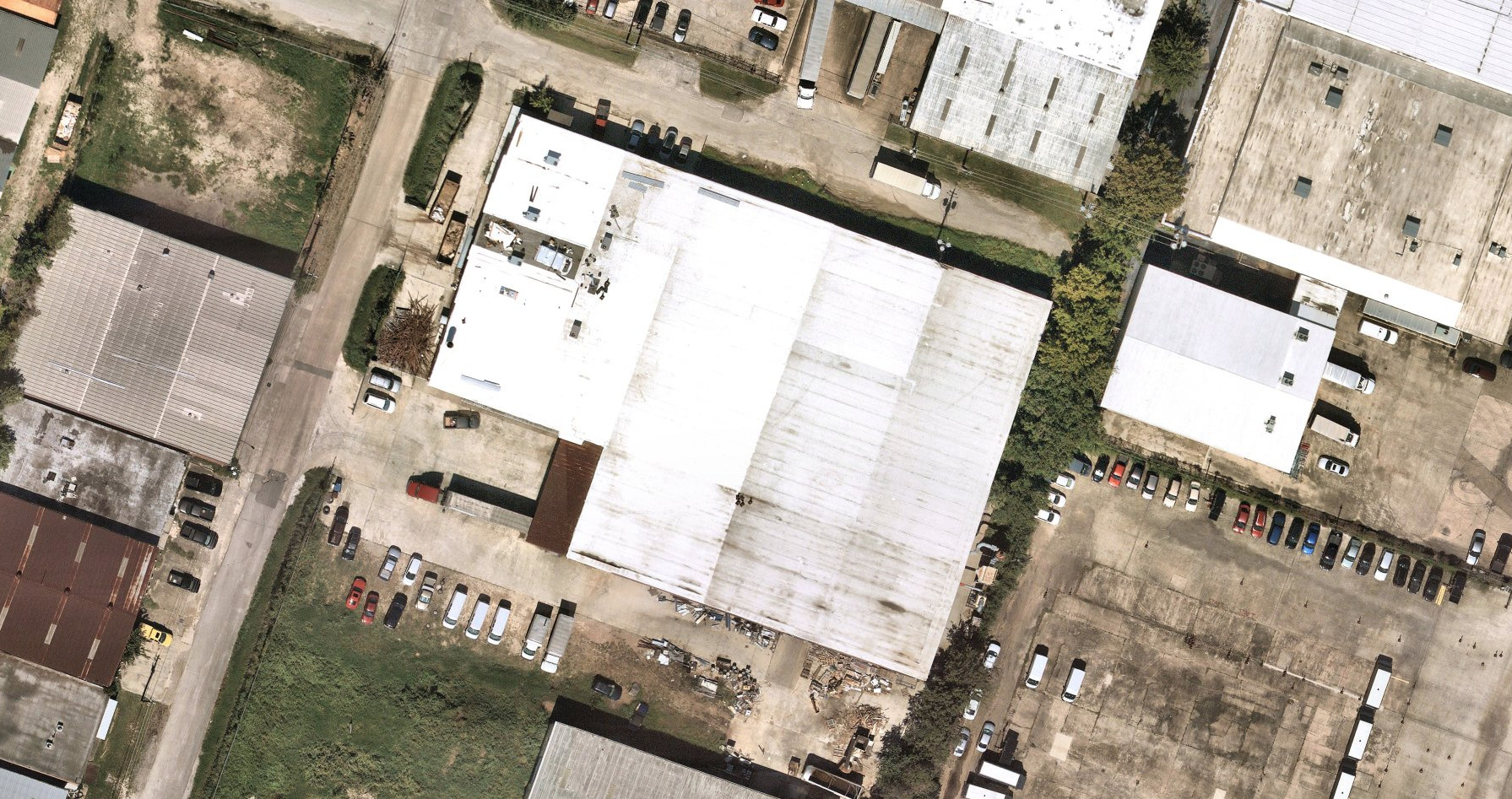
The Betterview platform confirmed this commercial roof was just 4.5 years old, having been replaced in 2020.
This approach also supports stronger regulatory defensibility. When carriers can point to consistent, visual, and auditable risk scoring methodologies, they’re better equipped to substantiate rate filings and withstand scrutiny around risk-based pricing.
From catastrophe modeling to everyday underwriting
Many carriers already invest in sophisticated catastrophe models to manage reinsurance and capital planning. But those same organizations often lack visibility into individual property conditions at the point of underwriting. AI-based risk scores serve as the missing link—bringing granular property-level data into day-to-day decision-making while aligning with broader risk management strategies.
Rather than building custom solutions internally—an effort that can take years to develop and more to maintain—many insurers are choosing to operationalize proven, independent AI models that can be rapidly deployed and continuously refined. This “buy over build” approach enables faster time to value while preserving the actuarial rigor and governance standards required for enterprise adoption.
Building resilience without breaking systems
This shift doesn’t require overhauling infrastructure or retraining entire teams. In fact, one of the most powerful aspects of imagery-based risk scores is how seamlessly they can integrate with existing quoting, underwriting, and policy systems.
For carriers navigating significant policy growth—more than one million new accounts added annually in some cases—underwriting teams need fast, accurate tools that scale. Whether it’s quoting new policies, prioritizing renewals, or supporting rate justifications, dynamic risk scores offer both the precision and the flexibility needed in today’s complex environment.
Underwriting for what’s next
As climate patterns shift and pressure mounts on underwriting performance, carriers must move beyond reactive strategies and toward predictive, consistent, and explainable pricing.
AI-powered risk scores built on high-resolution imagery are helping leading insurers do just that—enabling smarter risk selection, supporting defensible pricing, and ultimately driving stronger portfolio performance.
In a world where every property carries a unique profile of risk, the ability to see clearly—before the loss—can make all the difference.
)
Let’s connect on a smarter approach to risk
Nearmap is already supporting USAA’s claims operations with post-catastrophe aerial imagery, and AI for roof claims inspections. We’d welcome the opportunity to expand that relationship and explore how the Betterview platform can help your underwriting and pricing teams.
Let’s schedule a conversation with your team to share how we can complement USAA’s current AI and risk initiatives—while helping deliver on your long-term goals of resilience, affordability, and customer trust.